Dropped Ceiling: Complete Guide to Types, Benefits, Installation, and Cost
The suspended ceiling or false ceiling is a dropped ceiling, which is considered to be one of the most simple and effective ceiling solutions in housing, office, commercial and institutional environments. Dropped ceilings have...


The suspended ceiling or false ceiling is a dropped ceiling, which is considered to be one of the most simple and effective ceiling solutions in housing, office, commercial and institutional environments. Dropped ceilings have both practical and aesthetic benefits, even beyond concealing unsightly wiring and enhanced acoustics and energy efficiency.
Here you will find out the definition of a dropped ceiling, how it functions, its applications, installation process, price, and reasons as to whether it is the appropriate one to use in your space.
What Is a Dropped Ceiling?
Another ceiling that is placed beneath the main structural ceiling is a dropped ceiling. It is suspended on some metal grids and is usually packed with ceiling tiles or panels.
Unlike the conventional drywall ceiling, dropped ceiling leaves a concealed area (plenum) to the existing ceiling and the suspended system. This area is to hide electrical wiring, hvac ducting, plumbing and other building services.
Dropped ceilings are frequently applied in:
Offices and commercial properties.
• Basements
• Schools and hospitals
• Retail spaces
• Residential homes
How a Dropped Ceiling Works
The system of the dropped ceiling has three major components:
Screen grid It consists of metal T-bars.
Ceiling tiles or panels which lie within the grid.
• The wires were suspended on the original ceiling.
The grid creates a shape, commonly a square or a rectangle and the tiles simply fall in place thus being easy to install and maintain.
👉👉👉Also read: Popcorn Ceiling
The advantages of a Dropped Ceiling.
A dropped ceiling has some rational utility that makes it an appealing ceiling choice.
Cover Wires and ducts.
The most prominent advantages of a dropped ceiling are that it conceals electrical systems and pipes and the air ducts and yet can be easily accessed in case of repair.
Improves Acoustics
Dropped ceilings are the best to use in offices, classrooms, and conference rooms because acoustic ceiling tiles absorb sound, decrease echo, and enhance overall sound quality.
Easy Maintenance and Access
Each ceiling tile can be taken off and replaced not destroying the whole ceiling, which makes the process of repair and improvement easier.
Enhances Energy Efficiency
The ceilings are dropped to insulate rooms in order to lower the loss of heat and enhance temperature control.
Low priced and economical.
The dropped ceilings are usually cheaper than the drywall or decorative ceilings.
Types of Dropped Ceilings
Different kinds of dropped ceilings exist and are tailored towards a particular need and setting.
Acoustic Dropped Ceiling
The most widespread of them is the one with sound-absorbing tiles of mineral fiber or fiberglass. Suited in offices, schools, and hospitals.
Gypsum Dropped Ceiling
Uses gypsum boards to give it a firmer and more sophisticated appearance. Usually found in the homesteads where beauty counts.
Metal Dropped Ceiling
Constructed of aluminum or steel metal, providing a durable and updated look. Commonly applied in business or industry.
PVC Dropped Ceiling
Waterproof and non-slippery, hence can be used in the kitchen, bathroom, and moist places.
Wooden Dropped Ceiling
Has a warm cozy appearance and is common in high-end restaurants, hotels, and households.
Dropped Ceiling and Drywall Ceiling.
The distinction between a dropped ceiling and a drywall ceiling can be understood to make the correct choice.
Dropped Ceiling
- Easy access to utilities
- Faster installation
- Lower cost
- Grid visible (except hidden design employed)
Drywall Ceiling
- Seamless appearance
- Permanent structure
- More labor-intensive
- Hard to reach wiring after installation.
Dropped ceiling is usually the better choice in functional spaces whereas drywall ceiling is better in spaces where appearance is the most important.
Installation Process of Dropped Ceiling.
Dropped ceiling is very easy to install and other ceiling systems are not as disruptive.
Installation Steps
- Measure room dimensions
- Install wall angles
- Hang suspension wires
- Assemble metal grid
- Place ceiling tiles
- Install lighting and vents
Professional installation guarantees correct positioning and stability over time, particularly during large area installation.
👉👉👉Also read: Silent Ceiling Fans.
Cost Breakdown of Dropped Ceiling.
The price of dropped ceiling relies upon materials, room size as well as labor.
Average Costs
- Simple acoustic tiles: cheap solution.
- The decorative or metal panels: more expensive.
- Labor costs are different in terms of location and complexity.
Dropped ceilings on average will be one of the most cost-effective ceiling solutions.
Best Rooms in Dropped Ceilings.
Basement
In basements, dropped ceilings are the best because they provide easy access to pipes and wire as well as enhance better insulation.
Office Spaces
They are better in acoustics, conceal cabling, and can be reconfigured easily.
Commercial Buildings
The malls, hospitals, and retail outlets enjoy the comfort of low maintenance and cleanliness.
Kitchens and Bathrooms
Dropped ceilings are feasible in humid surroundings because of moisture resistant panels.
Lighting Options for Dropped Ceilings
The dropped ceilings support several types of lighting including:
- Recessed LED lights
- Fluorescent panels
- Decorative fixtures
- Emergency lighting systems
The lighting can be easily fitted in the grid system and this provides flexibility in design.
Dropped Ceiling Maintenance and Cleaning.
It is easy and inexpensive to live with a dropped ceiling.
Maintenance Tips
- Wash tiles on a frequent basis to avoid dust.
- Stained or damaged tiles should be replaced immediately.
- Examine the suspension wires after some time.
- Make sure that vents and lights are well fastened.
Ceiling Maintenance helps to increase your drop ceiling life and to make it appear fresh.
Typical Issues of Dropped Ceilings.
Sagging Tiles
Brought about by soil or incorrect installation. Install damp tiles in wet places.
Discoloration
Typically due to leakages or evaporation. Repair the cause and the tiles should be changed.
Grid Damage
May be brought about by heavy fixtures or mishandling. Reinforce grid if necessary.
Majority of the problems can be easily repaired without the necessity of putting in new ceiling.
Do Dropped Ceilings belong in Homes?
Yes. Contemporary dropped ceilings are more used in homes as they are better designed using better materials.
The dropped ceilings are used by homeowners:
- Basements
- Home offices
- Kitchens
- Entertainment rooms
They have decorative tiles and hidden grid systems that make them attractive to the modern homes.
Dropped Ceiling and Energy efficiency.
Dropped ceilings will help to save energy by:
- Lowering ceiling height to enhance better temperature regulation.
- Improving insulation
- Promoting effective lighting systems.
This would result in reduced heating and cooling expenses in the long run.
Frequently Asked Questions About Dropped Ceilings
Are the dropped ceilings a thing of the past?
No. Dropped ceilings are now fashionable and modern with modern designs.
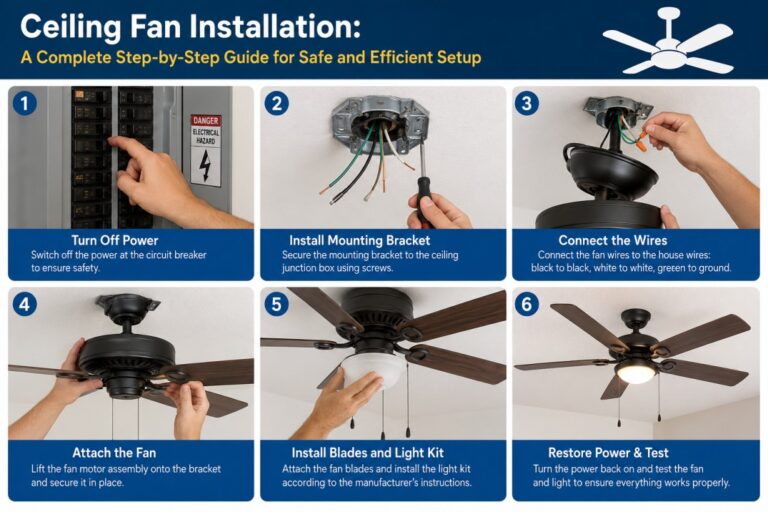
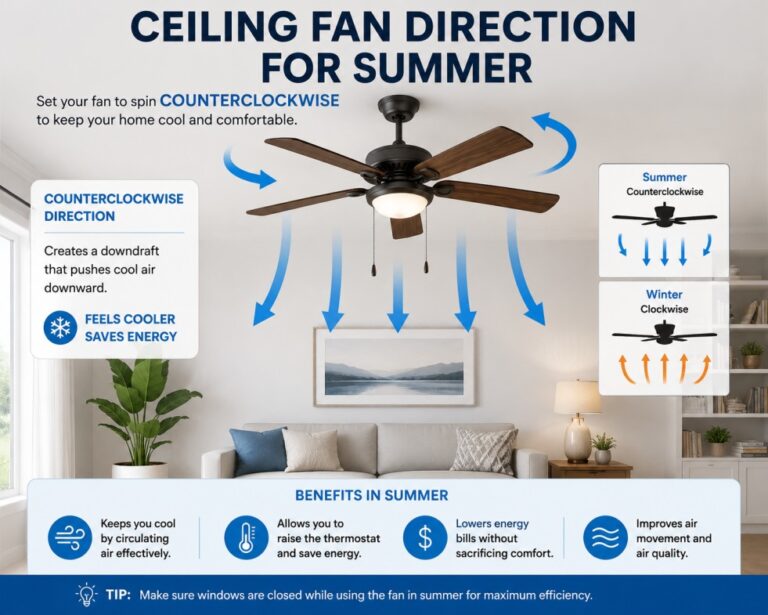
Are dropped ceilings subject to the use of ceiling fans?
Oh, but they have to be pegged on the structural ceiling and not on the grid.
What is the time span of a dropped ceiling?
Dropped ceilings may be maintained and last decades.
Would I be able to put a dropped ceiling up myself?
Small rooms can be installed by DIY or large or complicated projects should be assembled by professionals.
👉👉👉Also read: Ceiling Fan Clicking Noises at High Speed
Final Thoughts: Is a Dropped Ceiling the Right Choice?
A dropped ceiling is a low priced and convenient ceiling that is practical and can be used in a home and a business environment. It provides convenient access to utilities, acoustics and energy efficiency and flexibility in designing.
Dropped ceiling is a smart balance between functionality and appearance whether you are completing a basement, a remodeling of an office or a commercial building.