
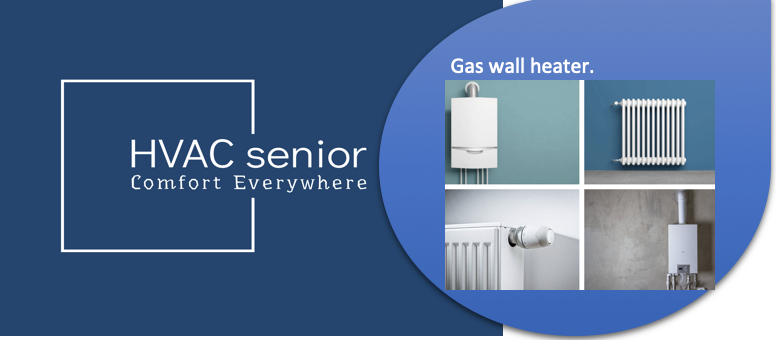
With winter gusts slamming the doors, homeowners turn to heating that is space-efficient, cost-effective, and efficient. Perhaps the most reliable heating solution for single rooms and small flats is the gas wall heater. Gas wall heaters provide convenience, energy efficiency, and high temperatures while taking up minimal space.
In this complete guide, we’ll explore how gas wall heaters work, their types, benefits, safety tips, maintenance advice, and how to choose the best one for your home or office.
What Is a Gas Wall Heater?
A gas wall heater is an installation directly on a wall, which heats individual rooms via natural gas or propane. They are different from conventional furnaces that push air through ductwork since they offer localized heat—great for bedrooms, basements, offices, or small apartments.
They come in both vented and ventless versions, providing good flexibility in terms of installation based on the structure of your home and ventilation needs.
Also read: Portable Gas Heater
How a Gas Wall Heater Works
The working of a gas wall heater is efficient and straightforward. Here’s how it functions:
- Gas Supply: The heater is connected to a propane or natural gas supply.
- Ignition: The electronic ignition or pilot light ignites the combustion.
- Heat Generation: The gas is combusted inside the combustion chamber to generate heat.
- Heat Distribution: The heater circulates warmth to the ambient air through convection or radiation.
- Temperature Control: A thermostat that comes with the heater controls the temperature automatically.
Because gas wall heaters are mounted on the wall, they heat rooms quickly and evenly, without employing complicated ducts.
Types of Gas Wall Heaters
Different homes and rooms require different heating solutions. Below are the main types of gas wall heaters, each with their own benefits.
1. Vented Gas Wall Heaters
These units vent exhaust gases outdoors through a wall or roof. They are more appropriate for indoor air quality and ideal for heavy-duty use.
Advantages: Safe, long-lasting, consistent heat.
Disadvantages: Requires installation of a vent or flue.
2. Ventless (Vent-Free) Gas Wall Heaters
Ventless models don’t need exterior vents. They release combustion gases and heat directly into the room.
Advantages: Effective, easy installation.
Disadvantages: Brings moisture into the air; needs proper ventilation.
3. Infrared Gas Wall Heaters
Infrared models warm objects and people directly, rather than heat the air.
Pros: Instant heat, energy-efficient.
Cons: Not ideal for small or open rooms.
4. Blue Flame Gas Wall Heaters
Blue flame wall heaters warm the air first, which circulates freely.
Pros: Ideal for well-insulated rooms.
Cons: Longer to warm large, open rooms.
Also read: Natural Gas Heater
Benefits of Using a Gas Wall Heater
Gas wall heaters offer a number of benefits that make them the most convenient option for homeowners and renters alike.
✅ 1. Space-Saving Design
The title literally speaks for itself: these heaters just sit on the wall, freeing up floor space — great for small flats, studios, and offices.
✅ 2. High Efficiency
Gas wall heaters capture almost all of the fuel energy and convert it into usable heat. Vented units have efficiency levels of 80–90%, and ventless units almost 99%.
✅ 3. Instant, Reliable Heat
Gas wall heaters warm rooms in a few minutes. No waiting for ducts or central systems to come online.
✅ 4. Efficient Operation
Natural gas and propane are usually less costly than electricity, so gas wall heating is an economical method for long-term use.
✅ 5. Zone Heating Capability
You can install heaters in individual rooms, so you only heat the spaces where you are present. This is cost-saving and reduces utility bills.
✅ 6. Low Maintenance
Gas wall heaters are lower maintenance than full HVAC systems.
Drawbacks of Gas Wall Heaters
Gas wall heaters are convenient, but be mindful of their potential drawbacks.
⚠️ 1. Limited Coverage
They are more suitable for heating a single room, not an entire house.
⚠️ 2. Indoor Air Quality Problems
Ventless appliances can introduce small quantities of combustion products into the indoor air. Ventilation is required.
⚠️ 3. Dampness
Ventless heaters bring in moisture, especially in poorly ventilated or small rooms.
⚠️ 4. Installation Restrictions
Some building codes prohibit vent-free heaters in bathrooms or bedrooms.
Gas Wall Heater vs. Electric Wall Heater
| Feature | Gas Wall Heater | Electric Wall Heater |
| Fuel Type | Natural gas or propane | Electricity |
| Efficiency | Up to 99% | 100% at point of use |
| Operating Cost | Lower | Higher |
| Heat Output | Strong and steady | Moderate |
| Ventilation | May be required | None |
| Installation | Requires gas connection | Simple plug-in or wiring |
If your home is wired into a natural gas line, then the gas wall heater is the stronger and less expensive option.
Safety Instructions for Gas Wall Heaters
Safety should always be the first consideration when working with any gas appliance. Use the following guidelines to ensure safe operation:
- Install a Carbon Monoxide Detector in the same room as the heater.
- Inspect the Heater Regularly for leaks, soot, or unusual smells.
- Keep Flammable Items Away from the unit.
- Provide Adequate Ventilation if using a ventless model.
- Check the Pilot Light — it should burn blue, not yellow.
- Turn Off the Heater when leaving home or sleeping.
- Have It Serviced Annually by a licensed technician.
By following these precautions, you’ll enjoy safe and efficient heating all season long.
Maintenance and Care
Routine maintenance keeps your gas wall heater running efficiently and extends its lifespan. Here’s what to do:
- Clean the air intake grilles and burners every few months.
- Check for gas leaks using a soapy water solution — never use an open flame.
- Vacuum dust buildup from the heater’s surface and vents.
- Inspect the thermostat and replace batteries as needed.
- Perform professional maintenance every year when winter begins.
Common Issues and Fix
Even the best-rated gas wall heaters experience some issues occasionally. Here are common issues and how to fix them:
- Heater Won’t Light: Check gas supply, pilot flame, and thermostat connection.
- Flickering or Poor Flame, Inconsistent Heat: Burner may be dirty or clogged.
- Strange Smell: May indicate gas leaks or burning dust; turn off the unit immediately.
- Soot Accumulation: Indicates poor combustion; have a technician clean it.
Never try doing deep repairs yourself — always have certified technicians for maintenance or replacements.
Selecting the Proper Gas Wall Heater
Heater selection relies on your room, fuel supply, and heating requirement. Look at the following factors before making a purchase:
- Room Size: Look at the BTU rating; approximately 40–45 BTUs per square foot is optimal.
- Fuel Type: Select natural gas or propane, whichever is more convenient for you.
- Vent Type: Determine if a vented or vent-free design will fit your room.
- Thermostat Control: Digital or programmable thermostats provide more precise temperature control.
- Safety Features: Ensure automatic shut-off, oxygen depletion sensors (ODS), and protection against overheating.
- Aesthetics: Sleek designs integrate easily with any decor.
- Energy Efficiency: The higher the efficiency rating, the lesser the energy bills.
Installation Tips
Safe and efficient installation is provided. The following are general guidelines:
- Mount the heater on an exterior wall (for vented models).
- Use a professional to install gas line connections.
- Provide clearance space from furniture, drapes, and electrical outlets.
- Seal the vent tightly to prevent air leaks.
- Inspect the equipment prior to regular use to ensure proper operation.
Compliance with installation codes and manufacturer instructions ensures safety and warranty protection.
Gas Wall Heater for Different Spaces
Gas wall heaters are highly adaptable. Here’s where they work best:
- Bedrooms: Choose a small, quiet, vented model.
- Basements: Install a vented or infrared unit to avoid excessive humidity.
- Garages or Workshops: Infrared or ventless heaters are ideal spot heaters.
- Cabins or Cottages: Propane portable or wall units are ideal for off-grid heat.
Energy-Saving Tips
Maximize your gas wall heater and save energy with these simple habits:
- Lower the thermostat at night or when away.
- Seal any leaks around doors and windows.
- Use ceiling fans in reverse mode to circulate warm air downward.
- Insulate walls and floors for reduced heat loss.
- Clean regularly for efficient airflow and functioning.
Taking these steps will save you up to 20% of your heating bill annually.
Final Thoughts
A gas wall heater is a worthwhile investment for someone in search of convenient, economical, and space-saving heat. With easy installation, speedy heat, and low operating costs, these units are ideal for use in homes, offices, and cabins. Regardless of whether you choose a vented, ventless, infrared, or blue flame unit, you will enjoy steady comfort during the coldest winter months.
By observing safety procedures, keeping maintenance up-to-date, and selecting the proper size and type, your gas wall heater can offer several years of reliable, energy-saving heat.
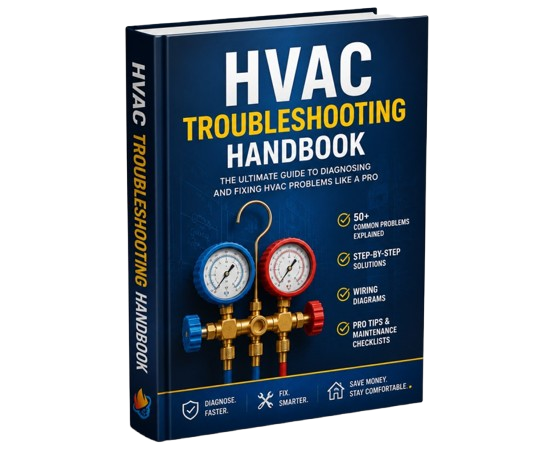
HVAC Troubleshooting Handbook
Master HVAC troubleshooting with over 200+ pages of practical diagnostics, wiring diagrams, maintenance procedures and repair techniques used by professional HVAC technicians.