Soffit Vent: The Ultimate Roof and Attic Ventilation Guide
Ventilation of the roof is among the most overlooked DIY household chores, yet it is critical to ensuring that your roof lasts longer and your attic is mold-free and dry. At the heart of...

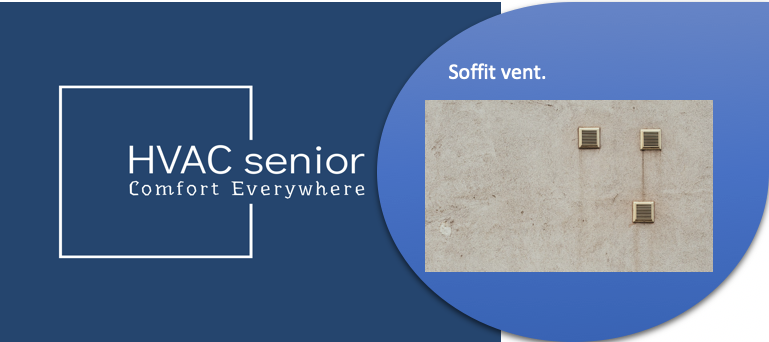
Ventilation of the roof is among the most overlooked DIY household chores, yet it is critical to ensuring that your roof lasts longer and your attic is mold-free and dry. At the heart of all that ventilation is the soffit vent — an unassuming but functional addition that supplies continuous airflow in your attic.
Here in this guide, we’ll cover all you need to know about soffit vents, including what is a soffit vent, types (like vented soffit and continuous soffit vents), installation of soffit vents, soffit vent number, and most importantly, why soffit vents are important for a healthy home.
What Is a Soffit Vent?
A soffit vent is a wee opening at the bottom of the underside of your roof’s eaves. It is used to allow cool, fresh air into your attic. The entering air supplements exhaust vents, such as ridge vents, to create a balanced airflow system — drawing in cool air from underneath and releasing warm, moist air out the top.
So, what’s a soffit vent in simple terms? It’s your roof’s “breathing hole.” Without one, heat and moisture can build up in the attic, leading to condensation, rot, and higher energy bills.
Why Soffit Vents Are Such an Important Part of Roof Health
There are so many homeowners who take note of insulation but fail to consider that ventilation is just as crucial. A soffit vent plays a couple of very vital roles in maintaining a balanced, healthy indoor environment:
1. Keeps Away Moisture and Mold
Moisture naturally migrates from the living space to the attic. Without ventilation, it forms on insulation and rafters. Soffit vents permit moisture evaporation, preventing mold and rot.
2. Reduces Heat Gain
Attics can reach up to 140°F (60°C) during summer. A vented soffit permits cooler air, reducing the load on your air conditioner and improving overall energy efficiency.
3. Prevents Ice Dams
In winter, warm attic air will melt snow on the roof, which is then re-frozen along the edges. It forms ice dams that ruin shingles. Soffit vents control attic temperature, eliminating this issue.
4. Prolongs Roof Lifespan
An attic that is ventilated reduces moisture damage, curl of shingles, and structural stress — maintaining your roof longer.
Types of Soffit Vents
There are several designs of soffit vents, each suitable for specific roofs and budgets. Let’s discuss the most sought-after ones:
1. Individual Soffit Vents
They’re small, unobtrusive vents that are installed at regular intervals below the eaves. They’re perfect for retrofits but offer less airflow than continuous systems.
2. Continuous Soffit Vent
A continuous soffit vent is one piece of vent installed along the eaves of your home, providing consistent air flow along the roof. It’s the best design and highly suggested for new construction.
3. Vented Soffit Panels
A vented soffit is form and function — panels of aluminum, vinyl, or steel that have built-in perforations. They’re easy to put up and are available in a variety of colors to match your home’s exterior.
4. Soffit Vent Covers
Soffit vent covers are screening or grills that protect against insects, birds, and trash while permitting airflow. They’re a must for proper airflow without interruption.
How Does a Soffit Vent Work
A soffit vent is a natural convection system. Cold air enters the attic through soffit vents, and hot air escapes from upper vents like ridge vents or gable vents. The circulation of air at all times keeps the attic at a stable temperature and humidity level.
When combined with a ridge vent, a vented soffit is part of a fully functioning passive ventilation system — one that does not require the use of fans or electricity to operate efficiently.
How Many Soffit Vents Do I Need?
Homeowners ask themselves: how many soffit vents do I need?
The answer is determined by your attic’s square footage and your roof’s pitch.
It is typical for building regulations to recommend 1 square foot of ventilation (intake + exhaust) per 150 square feet of attic space.
Since half of this area will need to be intake (soffit vents) and half exhaust (ridge or gable vents), you can use this approximate rule of thumb:
Formula:
Attic area (sq. ft.) ÷ 150 ÷ 2 = Soffit vent area (sq. ft.)
Example:
If your attic is 1200 sq. ft.:
1200 ÷ 150 ÷ 2 = 4 sq. ft. of soffit vent area needed.
You can then consult the manufacturer’s spec for each soffit vent to find out how much net free area (NFA) it has. That tells you exactly how many soffit vents you need in order to meet code.
Also read: Gable Vents
How to Install Soffit Vents: Step-by-Step Guide
Installing soffit vents is within the realm of a do-it-yourself homeowner for most, provided you practice safety and follow correct installation methods. It is this simple to do:
Step 1: Choose the Type of Vent
Decide whether or not you will have individual soffit vents or a continuous soffit vent system. Continuous vents are ideal for new roof installations, and individual vents are ideal for retrofits.
Step 2: Mark and Cut Openings
Mark the location of the vents along the eaves using a chalk line.
For single vents, mark each cutout using a template.
Use an oscillating tool or jigsaw to make cuts in the openings, being careful not to cut the rafters.
Step 3: Install Vent Panels
Install the vent in the cutout and secure with corrosion-resistant nails or screws. For vented soffit panels, merely replace your existing solid panels with vented panels.
Step 4: Install Soffit Vent Covers
Hold soffit vent screens or covers in place to prevent insects and debris from entering. The most durable long-term choice for these is aluminum or stainless steel mesh.
Step 5: Clear Airflow Path
Before finishing, make sure attic insulation does not block the airflow from the soffit to the attic space. You may have to install baffles to maintain an open air path.
Also read: Ridge Vent.
Common mistakes to avoid when installing Soffit Vents
Even slight errors can reduce ventilation performance. Avoid these pitfalls:
- Blocked Vents: Insulation often clogs vents, limiting air flow. Always employ baffles.
- Uneven Spacing: Off-center vent installation leads to unbalanced air flow.
- Too Few Vents: Failing to estimate the number of soffit vents you need leads to less-than-efficient operation.
- No Exhaust Vent: Soffit vents always must be accompanied by ridge or gable vents.
- Poor Quality Covers: Cheap soffit vent covers readily clog or rust.
Benefits of a Properly Ventilated Soffit System
A vented soffit does not just increase ventilation — it impacts your whole house efficiency. Here are the top benefits:
1. Balanced Airflow
Pairing soffit vents with ridge vents, your attic receives ideal air pressure and temperature all year round.
2. Lower Energy Bills
Lower attics take the pressure off your HVAC unit, keeping you from shelling out extra cash on summer cooling bills.
3. Moisture Protection
Constant airflow reduces condensation, mold, and wood rot.
4. Enhanced Roof Performance
A balanced ventilation system extends shingle life and reduces the likelihood of structural issues.
5. Enhanced Indoor Comfort
Uniform temperatures in your home means fewer summer hotspots and less winter humidity.
Soffit Vent Materials: Which One Is Best?
Choosing the right material for your soffit vent makes a difference in durability and aesthetic appeal. Here are your options:
| Material | Pros | Cons |
| Aluminum | Lightweight, rust-resistant, affordable | Can dent easily |
| Vinyl | Low maintenance, inexpensive | Not suitable for high heat areas |
| Steel | Extremely durable | May corrode if not coated |
| Wood | Classic aesthetic | Requires regular maintenance |
For the typical homeowner, vented aluminum or vinyl soffit is the way to go — durable, economical, and available in a wide range of colors.
Continuous Soffit Vents vs. Individual Soffit Vents
| Feature | Continuous Soffit Vent | Individual Soffit Vent |
| Airflow | Consistent across roof | Spot ventilation only |
| Installation | Easier for new construction | Better for retrofits |
| Aesthetics | Sleeker and uniform | Noticeable vent gaps |
| Maintenance | Minimal | Requires periodic cleaning |
A continuous soffit vent is generally best for its consistent airflow and tidy look, especially when combined with a ridge vent system.
Maintenance Tips for Soffit Vent
Your soffit vents require minimal maintenance after installation but periodic checkup is required to achieve maximum performance.
- Check Twice Every Year – Examine vents for spider webs, debris, or dirt.
- Remove Obstructions – Compressed air or a soft brush will work well in eliminating openings.
- Examine Vent Covers – Replace rusty or broken soffit vent covers straight away.
- Keep Air Passages Clear – Ensure insulation has not become displaced and restricted airflow.
When to Replace Soffit Vents
Replace your soffit vents when you notice:
- Peeling paint or rusting
- Poor attic ventilation (stagnant, hot air)
- Blockages or infestation visible
- Water spots on soffit panels
Installing a continuous soffit vent or vented soffit panels is a longer-term option that boosts efficiency and curb appeal.
Final Words: Why Every Roof Should Have Soffit Vents
A soffit vent is small, but it’s one of the most durable components of a healthy roof. Paired with ridge vents, it creates a passive ventilation loop that keeps your attic cool, dry, and damage-free.
Having discovered what a soffit vent is, how many soffit vents you will need, how to install soffit vents, and the benefits of vented soffit systems, you can now make an informed decision to assist in protecting your property for generations.
Good ventilation isn’t merely about comfort — it’s about preventing expensive damage before it happens. Investing in quality soffit vents and taking good care of them is one of the smartest home improvement choices you can ever make.
Key Takeaways
-Soffit vents provide necessary intake airflow for attic ventilation.
-Install continuous soffit vents in conjunction with ridge vents for optimal performance.
-Always figure out how many soffit vents you need based on the size of your attic.
-Use soffit vent covers to keep pests and debris out.
-Proper installation ensures long-term roof performance and energy savings.